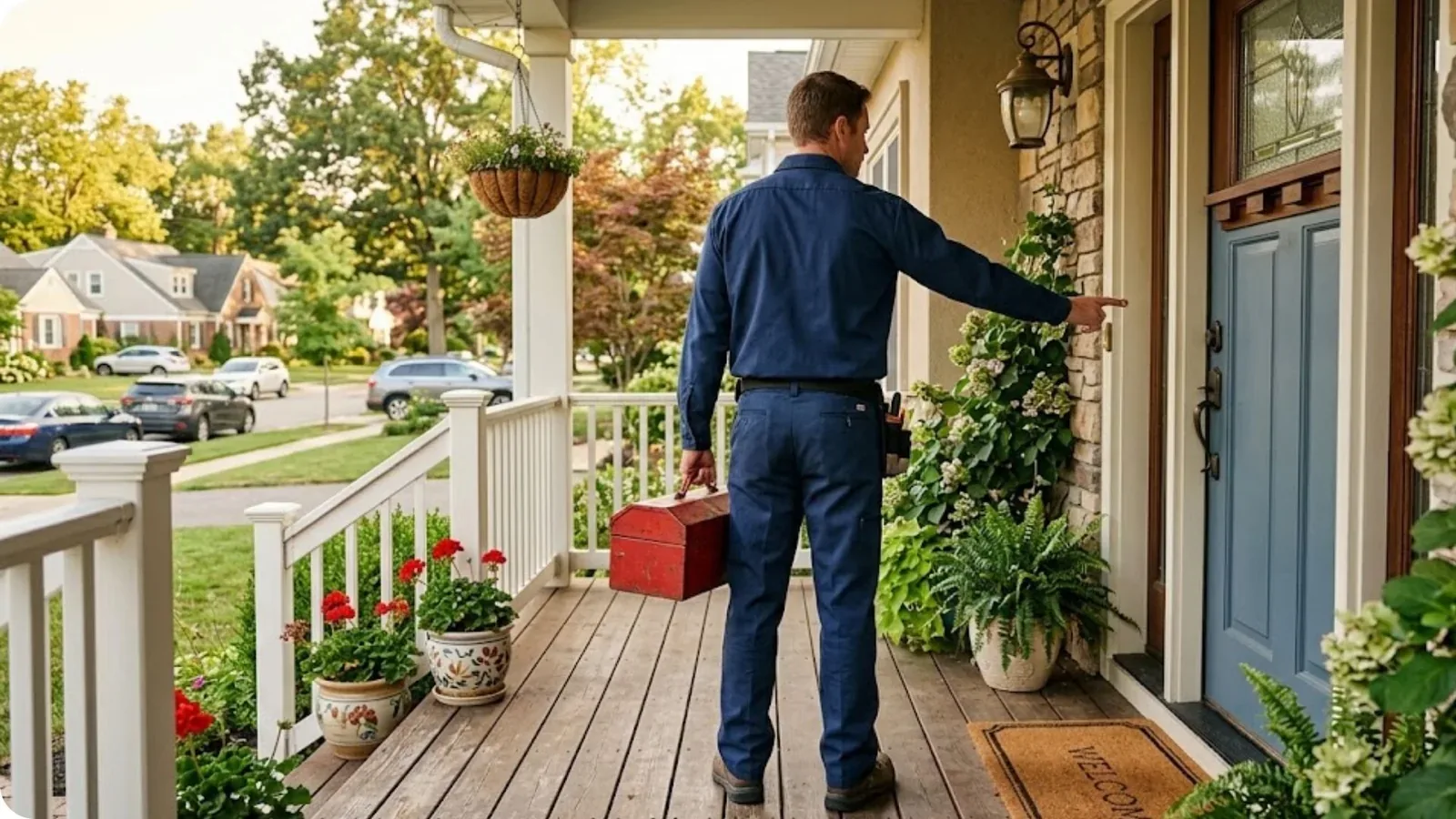
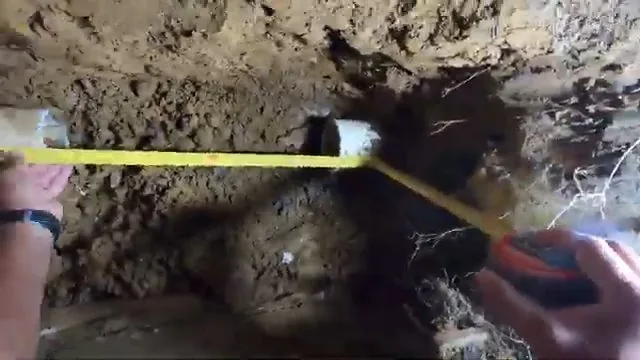
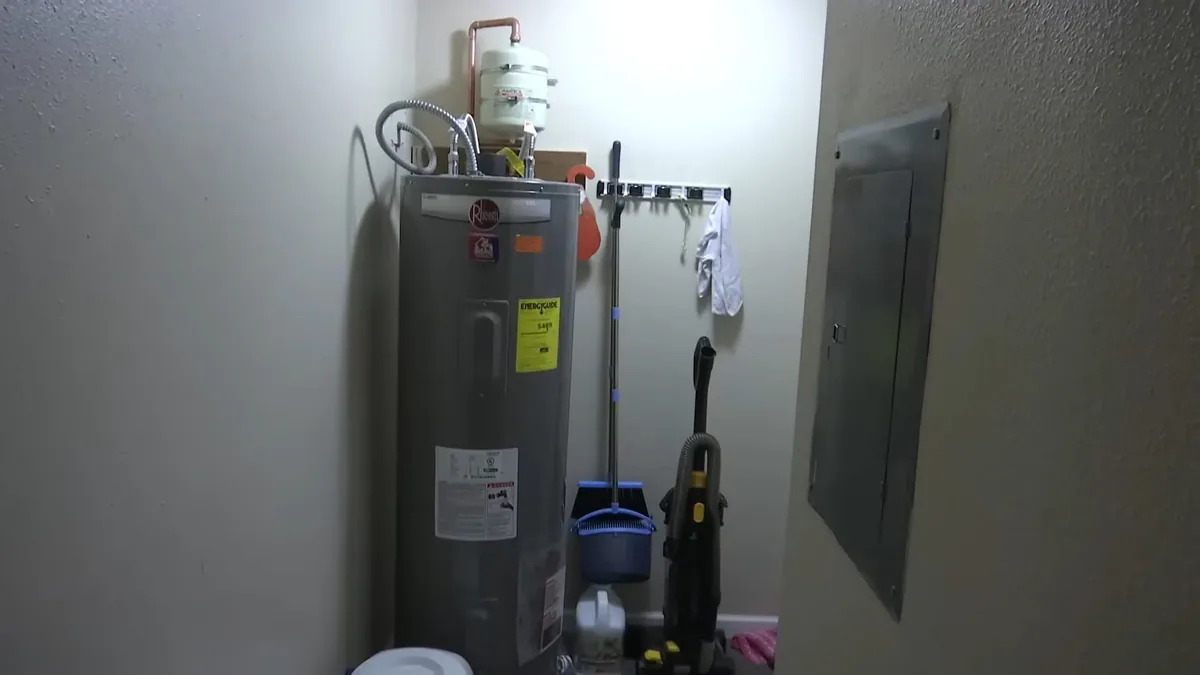
Each card names the factors that matter for one kind of job. None gives a figure. The plumber who sees the work gives you the number.
Drain cleaning and hydro jetting
Where the blockage sits matters most: a sink branch is quicker to clear than the main line. The length of the run, whether roots or grease caused it, and whether a camera look is needed to confirm the cause all shape the price. See the drain cleaning page.
Leak detection and repair
Property size and the number of suspect lines set how long the search takes. A leak that can be reached without opening walls or ground costs less to fix than one that cannot. The leak detection guide explains the methods.
Slab leak repair
Finding the leak depends on foundation size, floor finishes and how many lines run under the slab. The tools used, a spot breakout versus rerouting the line overhead, and restoring flooring and drywall afterward each add scope. Read more on the slab leak guide.
Sewer line repair and relining
Length and diameter of the line come first, then the condition of the pipe: cracks are not collapse. Relining a pipe also means reconnecting side branches afterward. The sewer line options covers camera work and the options.
Water heater repair
The failed part and whether the plumber can get it that day matter most. The age of the unit decides whether a repair is worth making or whether replacement is the better path. See water heater repair.
Water heater replacement
Tank size and fuel type, whether gas, power vent or electric, change the equipment. Code items such as an expansion tank, venting corrections and permits change the scope. Maricopa County Planning and Development says new gas lines for outdoor appliances are permit items. Details are on the replacement page.
Tankless installation
Gas supply line size and meter capacity, electrical capacity and panel space, and the venting route with its condensate drain all decide whether a home is ready for a tankless unit. Check the tankless page.
Repiping
House size, number of bathrooms and stories set the quantity of pipe. Access through crawlspace, attic or slab changes the labor, and so does the pipe material and the wall repair afterward. The repiping page shows the signs.
Water line repair and replacement
Length and depth of the line and the material that replaces it matter. Trenchless work versus an open trench changes the surface restoration, such as landscaping or a driveway. Ownership of the meter side and the house side affects who does what. See the water line page.
Gas line work
Run length, pipe material and the number of appliance connections drive the scope, and a pressure test and inspection are part of it. A plumber should confirm what the work involves before any gas pipe is touched. The gas line repair page has details.
Faucets, toilets and fixtures
Repairing a part is not the same as replacing the whole fixture, and the condition of the shutoff valve and supply line can add a step. Look at fixture repair for what to expect.
Garbage disposal replacement
Motor size and the build of the unit set the equipment. Changes to the outlet, switch and discharge under the sink add work. The garbage disposal page explains the options.
Water softeners and filtration
System type, whether a softener, a whole-house filter or reverse osmosis, and its capacity matter, along with the drain and electrical hookup at the install spot. EPCOR Water Arizona reports Anthem water hardness near 18 grains per gallon in its 2025 report, and that figure shapes the size of equipment. See softeners and filtration.
Water damage and restoration estimates
The amount of water, the materials it reached and how long drying takes set the scope. An estimate for mold testing or restoration depends on what the inspection finds. Learn more on the water damage page.
Commercial plumbing
Scope, building size and after-hours access set the work. A shop or a restaurant has different fixtures and different hours than a house, and the commercial page explains how those calls run.
 Desert Hills AZ Experts Plumbers24/7 PLUMBING DISPATCH · MARICOPA COUNTY