Serving Anthem, New River and Cave Creek24/7 Emergency Dispatch: (480) 806-2944
Desert Hills AZ Experts Plumbers24/7 PLUMBING DISPATCH · MARICOPA COUNTYCall (480) 806-2944 →
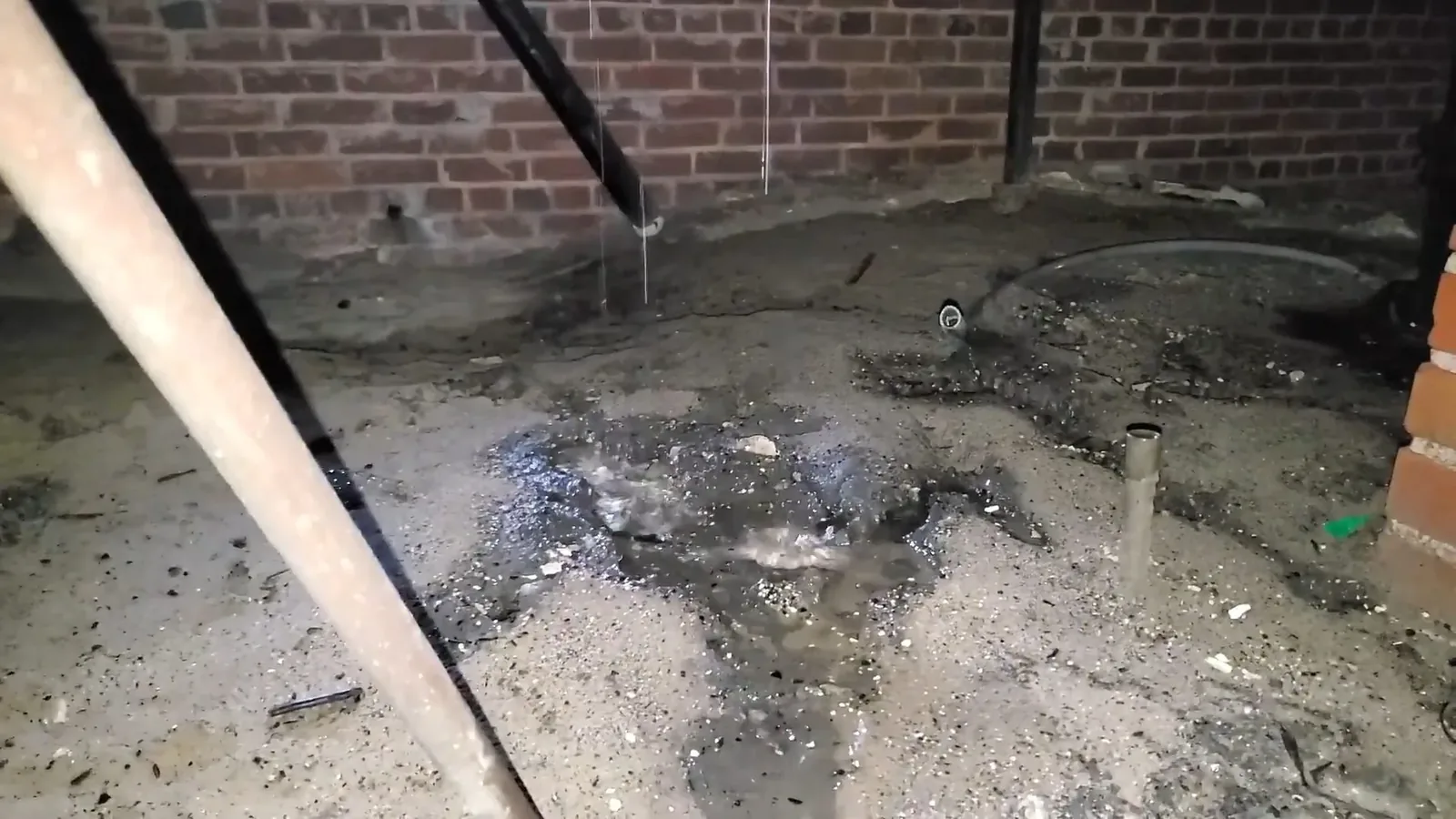
Debris-covered damp floor beside a brick wall with a pipe standing up from it.
Standing moisture needs to be dried quickly to limit damage to what is near it.

Home » Services » Water damage restoration

24/7 Emergency Line Open

Water Damage Cleanup, Drying and Mold Testing in Desert Hills

Water that sits for more than a day or two turns a repair into a rebuild. Stop the source, then call the damage line, and the responder will tell you what to do while help is on the way.

Call (480) 581-1832 now →
  • Licensed and insured plumbers
  • Same-day service when available
  • 24/7 emergency dispatch
Decision

Repair or replace: how to decide what the water got to

The first question after a leak is what can be saved. Hard materials like tile and concrete dry and stay. Drywall, insulation and carpet pad soak up water and often cannot be saved, particularly if the water was dirty. The type of water and the time it sat decide the answer.

Professionals classify water by source. Clean water comes from a supply line. Gray water has some contamination, like a washing machine overflow. Black water, such as sewage or floodwater, is unsafe and the affected materials usually go. These categories come from the IICRC S500 standard for water damage restoration. The time factor is practical. Guidance from the EPA says wet materials should be dried within 24 to 48 hours to prevent mold growth, and the same window applies to deciding what stays.

EPA guidance advises drying wet materials within 24 to 48 hours to prevent mold growth. IICRC S500 sorts water into clean, gray and black categories.

Sources: US Environmental Protection Agency; IICRC S500 water damage standard.
Material and usual outcome
MaterialClean waterDirty water
Tile and concreteDry and keepClean and disinfect
DrywallOften dried in placeCut out
Carpet padOften replacedReplaced
Solid woodOften driedCase by case
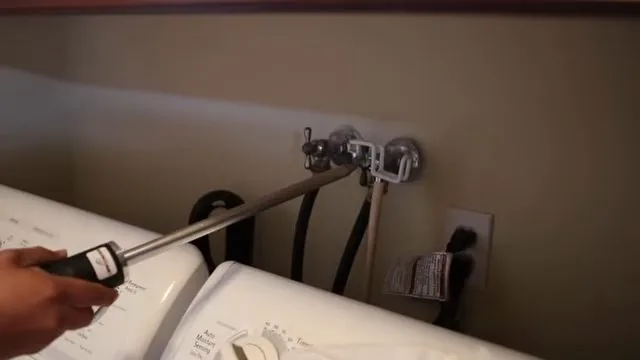
Hand holding a long tool near the wall valves behind a washing machine.
Washing machine supply hoses are a frequent source of sudden flooding.
Flooding

Flooded crawl space and whole-house flooding

After a storm, water may also enter from outside and carry soil and debris. Photograph the waterline on the walls before cleanup, since that mark records how high it rose and helps an adjuster and the drying crew plan the work.

Whole-house flooding comes from storms, failed supply lines or a stuck appliance. The response begins with safety: shut off power to wet areas, avoid standing water near outlets, and stop the source. Extraction pulls the bulk water out, then drying equipment removes what is trapped in the structure. Crawl spaces trap water and hide it. A flooded crawl space needs pumping, drying and a check of insulation and ducts. Ask the responder how moisture will be measured at the end.

A flooded basement, a flooded crawl space and storm, river or rain flooding that enters from outside all start the same way: stop the source if you can, stay out of live areas, and let the responder take readings. Storm and rain flooding is usually dirty water, and the materials it touched are treated accordingly. A damage assessment and a major loss inspection, with moisture readings in each room, set the drying plan and show what the insurer will ask about.

Water damage line

Flooding or a burst line? Call the damage line now.

Call (480) 581-1832 now →
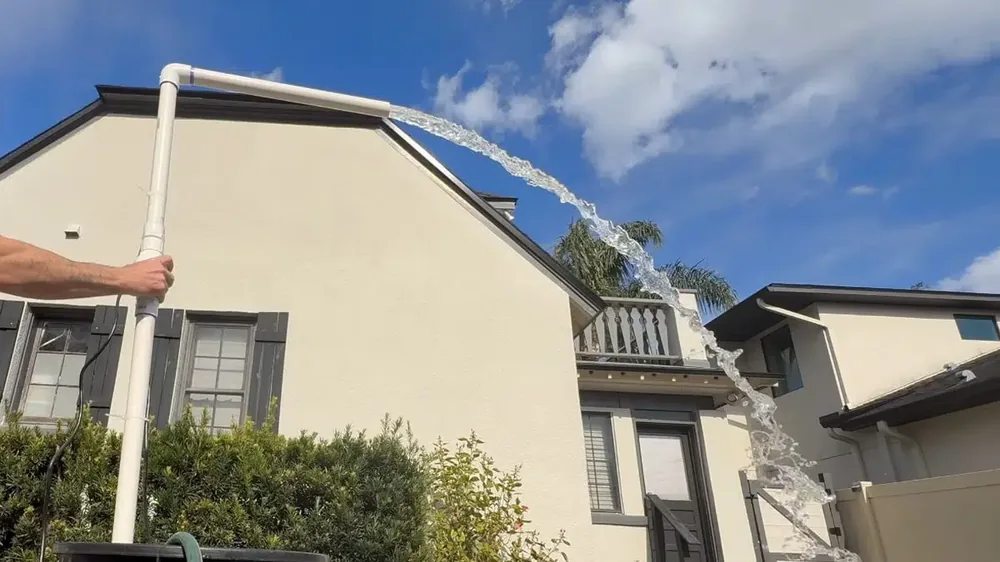
Water arcing from a raised white PVC pipe toward the side of a house under a blue sky.
Water reaching a wall or foundation is the kind of flow that has to be stopped at the source first.
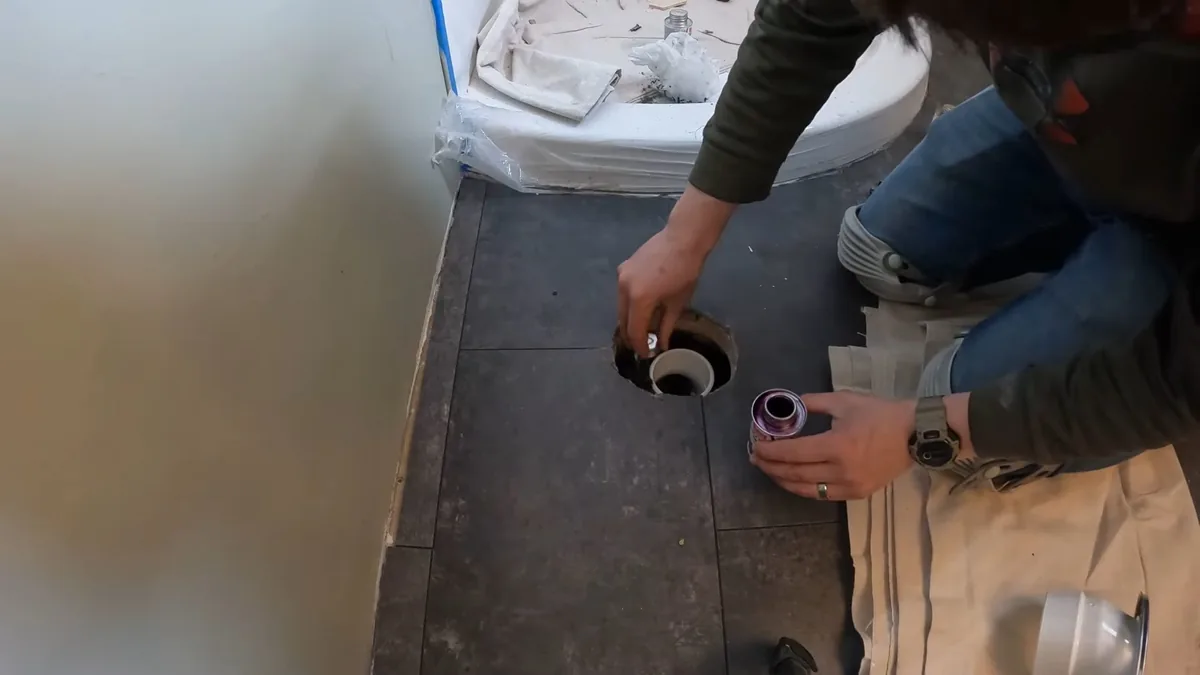
Person kneeling at an open toilet flange on a bathroom floor covered with a drop cloth.
A failed seal at the toilet flange can let water seep into the subfloor unnoticed.
Sewage

Sewage backup cleanup

Floors that were wet with sewage should be treated as contaminated until cleaned and dried. Keep air vents closed in the affected rooms, and do not run fans that would spread airborne particles into the rest of the house. Wear boots and gloves if you must enter, and wash well afterward. A sewage backup is black water. It carries bacteria and should not be handled by the household. Keep children and pets out, shut off the fixtures that feed the line, and call for a cleanup that removes porous materials, disinfects and dries the area. The cause matters too. A blocked or collapsed line needs the work on the main sewer line page, or the backup will return.

Burst pipe damage

Burst pipe damage

Insulation in the attic or wall can hold water for days after a burst, even when the surface feels dry. Ask the responder to check readings inside the wall cavity, not only on the drywall face, and to confirm the numbers before anything is closed up. A burst pipe often does its worst damage in the first hour. Stopping the flow comes first, then removing water, then drying walls and floors. Open cabinet doors, lift furniture off the carpet, and take photos before anything is moved. The pipe itself is fixed under the pipe repair service, and drying runs alongside it. Mark the wet edges of stains with a pencil and the date, so you can see whether they are growing or drying.

Water damage line

Water standing in the house? Dispatch answers 24/7.

Call (480) 581-1832 now →
Mold

Mold testing: when it helps and when it does not

Mold can begin to grow within a day or two on wet material. Arizona has no state mold regulations, so there is no required test or threshold. The EPA says sampling is usually unnecessary when mold is visible, because the fix is the same: remove it and fix the moisture. Testing is useful when you suspect hidden mold, for example a musty smell with no visible source, or when a buyer or insurer asks for it. Ask the tester how samples are taken and what the results mean. If mold is found, remediation means containing the area, removing the affected materials and fixing the moisture that fed it. Mold removal without drying only brings it back, so the order matters.

The EPA says that if mold is visible, sampling is usually unnecessary. Arizona has no state mold regulations.

Sources: US EPA; Arizona Capitol Times.
Insurance and structure

Insurance documentation and structural checks

Ask your insurer early which steps need approval and whether a preferred contractor is required. A written drying log with dates and moisture readings shows that the work was done properly, and it supports the claim if mold or a dispute appears later. Insurers want evidence. Photograph the damage, keep damaged items until the adjuster sees them, and save every receipt. Write down when the leak was found and when the water was stopped. After a flood, ask whether the foundation or slab needs inspection. Water can undermine soil under a slab or a footing, and a plumber or structural professional can advise on next steps. Keep copies of the claim number and every email, and note the name of each person you speak with.

Other sources

Leaks that are not plumbing and odor after a loss

If a leak comes from the roof or a window, report it to the right trade at once, since repeated wetting does more harm than the first event. A sealed, damp wall cavity can also hold odor for months, so ask for moisture readings before the wall is closed. Roof leaks, window failures and appliance overflows also cause water damage. The restoration steps are similar, but the repair belongs to a roofer or an appliance technician. Smoke and fire damage is outside this page. Persistent odor after drying usually means something is still wet. Ask for a follow-up reading rather than masking the smell. A dehumidifier left running in the room shows over a few days whether moisture is still coming from somewhere.

Leaks from non-plumbing sources include a roof, a ceiling, an air conditioner drain and an irrigation line. Condo and apartment units, and commercial properties, add shared walls and shared stacks, so tell the property manager as soon as water is found. Waterproofing a basement or regrading around a foundation is a separate trade from restoration.

Related causes

Where the water came from decides the next call

Water damage rarely starts on its own, and fixing the source keeps the drying work from being repeated. A hidden supply leak points to the leak locating page, and a wet slab or damp floor on a concrete foundation points to the under-slab leak page. A failed tank is covered on the water heater page, and a broken yard line is on the water line replacement page.

Backups from the drain system belong on the drain snaking page, and business properties with flooding should read the business plumbing page. The main page lists every service if the cause is not obvious yet. Ask the responder to note the suspected source in writing, since an insurer will want it and the plumber will need it.

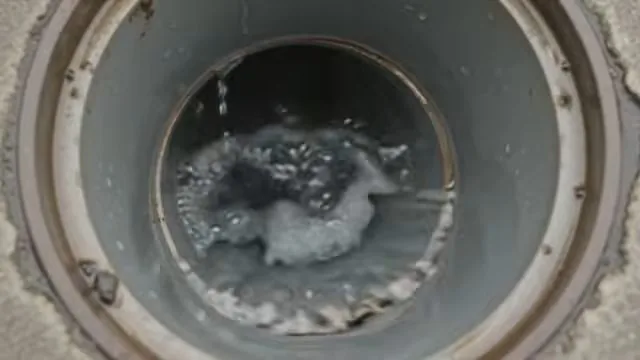
Water churning inside a round open floor drain.
Water coming up through a drain points to a blockage or backup rather than a leak overhead.
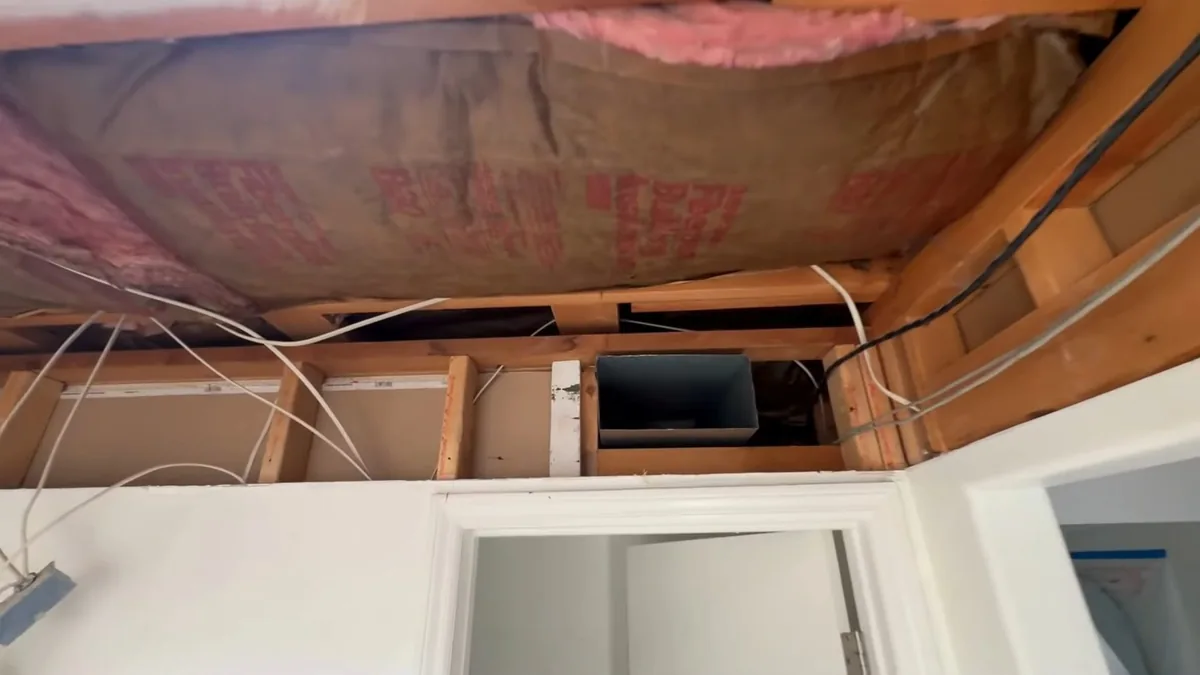
Opened bathroom ceiling showing pink insulation, joists, wiring and a duct above the doorway.
Water from above often travels along joists, so an opened ceiling shows how far it spread.
While you wait

What to do while the responder is on the way

If the water is clean and from a supply line, you may begin removing small amounts with towels and a mop. Keep pets and children away from wet rooms, and avoid using electronics near moisture. Take photos of furniture, flooring and belongings before they are moved. Stay out of rooms where water has reached outlets or appliances. Turn off power at the panel if you can reach it safely. Lift small items and furniture legs off wet floors, and open doors and cabinets to let air move. Do not use a household vacuum on standing water, and do not walk through sewage water. Photograph the room from several angles, noting the time. Keep wet items that may be claimed until an adjuster has seen them.

Damage response

How a water damage response runs

01

Stop

The source is shut off and power is made safe.

02

Remove

Standing water is extracted.

03

Dry

Equipment dries the structure and readings are taken.

04

Restore

Damaged materials are replaced and areas cleaned.

Questions

Water damage answers worth having before you book

After a leak or flood the questions come fast. These short answers cover timing, testing and what to move, and they reflect common guidance. Tell the responder exactly what you see, and ask them to explain each step before work begins, so you know what to expect and what to document. If you are unsure whether to call, calling early costs little and often limits the damage.

How fast must I act?

Quickly. Guidance advises drying within 24 to 48 hours to prevent mold.

Do I need mold testing?

Not always. If mold is visible, the fix is the same.

Should I move belongings?

Yes, lift items off wet floors and photograph the damage first.

Water damage line

Water damage? One call starts the response.

  • Licensed and insured plumbers
  • Same-day service when available
  • 24/7 emergency dispatch
Call (480) 581-1832 now →
Call now, 24/7