Serving Anthem, New River and Cave Creek24/7 Emergency Dispatch: (480) 806-2944
Desert Hills AZ Experts Plumbers24/7 PLUMBING DISPATCH · MARICOPA COUNTYCall (480) 806-2944 →
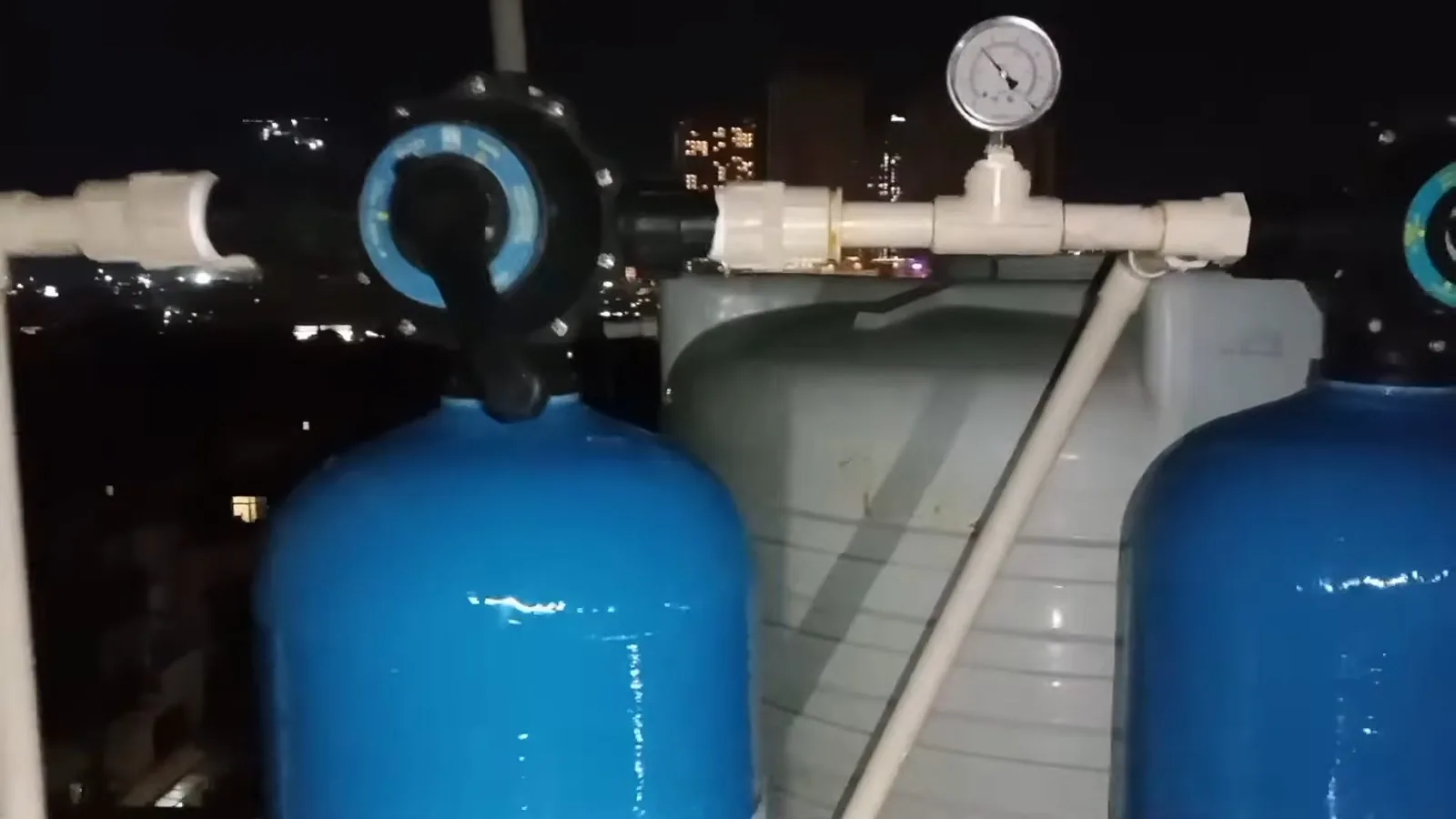
Blue and white water treatment tanks with a pressure gauge and white pipe manifold at night.
Whole-house treatment tanks sit on the main line, with a gauge to watch pressure.

Home » Services » Water softener and filtration

24/7 Emergency Line Open

Softeners, Filters and Reverse Osmosis for Desert Hills Hard Water

White crust on fixtures, spotted glass and short-lived heaters are what hard water does. A plumber serving your area can test the water, explain what each treatment does, and match it to the problem.

Call (480) 806-2944 now →
  • Licensed and insured plumbers
  • Same-day service when available
  • 24/7 emergency dispatch
Whole house

Whole-house filtration: what it does and what it does not

A whole-house filter treats water where it enters the home. A sediment filter catches sand and rust. A carbon filter reduces chlorine taste and odor. Neither removes hardness, which is dissolved calcium and magnesium, so a filter alone does not stop scale. Choose by the problem. Cloudy or gritty water needs sediment filtration, a chlorine taste needs carbon, and scale needs a softener or a conditioner. A water test turns a guess into a decision, and a lab test is more reliable than a strip.

Problem and treatment
ProblemTreatmentNote
Gritty waterSediment filterChange on schedule
Chlorine tasteCarbon filterReplace media
White scaleSoftener or conditionerSize to hardness
Drinking water qualityReverse osmosisTap at one sink
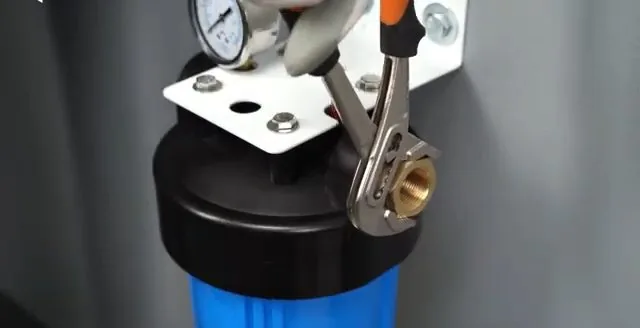
Blue whole-house filter housing with a wrench on the brass inlet fitting and a pressure gauge on top.
Filter housing connections are tightened and then checked for drips once the system is under pressure.
Reverse osmosis

Reverse osmosis for drinking water

The storage tank holds a few gallons, and the dedicated faucet usually sits on the sink deck. Pairing reverse osmosis with a softener is common, since the membrane lasts longer when hardness is removed first. Ask where the drain line will tie in and how the tank will be sanitized when filters are changed. A reverse osmosis system pushes water through a fine membrane at one tap, typically under the kitchen sink. It reduces dissolved solids and many other contaminants, and it feeds a small storage tank and a separate faucet. It wastes some water in the process and needs filter and membrane changes. Ask the plumber about the annual replacement parts and the waste ratio before you decide.

24/7 emergency dispatch

Hard water wearing out fixtures? Call now.

Call (480) 806-2944 now →
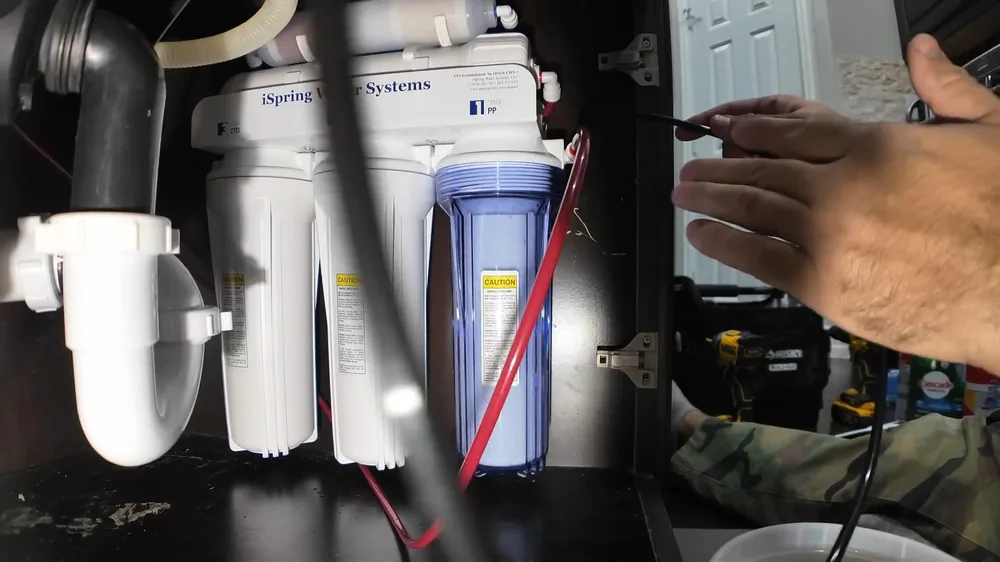
Hand reaching into a cabinet with a multi-stage filter system and a drain trap under a sink.
An under-sink filter treats the water at one tap, which is a different job from a whole-house system.
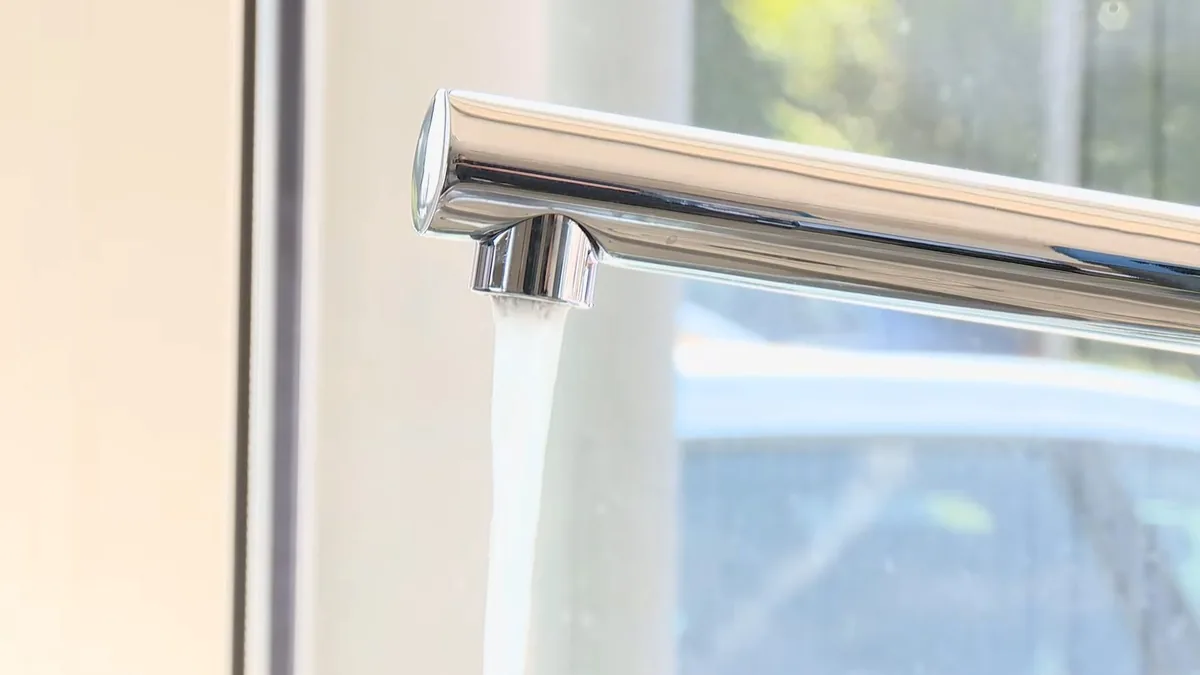
Water pouring from a chrome faucet spout in front of a bright window.
Hard water leaves spots and scale on chrome long before it damages the pipe behind it.
Softeners

Water softener: how it works

A softener swaps the calcium and magnesium in hard water for sodium or potassium on a resin bed. Periodically it regenerates, flushing the bed with brine from a salt tank and sending the rinse to a drain. Hardness is measured in grains per gallon, and the unit is sized from it and from household use.

For its Anthem system, EPCOR Water Arizona listed hardness near 18 grains per gallon in a 2025 report. That is very hard water by common scales, though hardness depends on the supplier and the source at your address. Check your own provider report or test the water. Scale also shortens heater life, which the heater repair page touches on.

A 2025 EPCOR report puts Anthem system hardness near 18 grains per gallon.

Reference: the 2025 Anthem report published by EPCOR.
Signs

Signs of hard water and how to test it

Strips are quick but approximate, and the numbers can drift with age and light. For a reliable value, ask your water provider for its current report or send a sample to a lab. Test both the hot and cold side, and note whether the home has a softener already. White crust on faucets and showerheads, spots on glassware, stiff laundry, dry skin after a shower and a heater that fails early are all common signs. A quick test strip gives a rough number. A lab report gives a better one. Water treatment and water conditioning are used loosely. A conditioner changes how minerals behave and may not remove them. Ask the plumber exactly what the system does to the water.

24/7 emergency dispatch

Test, size and install the right system. Dispatch answers 24/7.

Call (480) 806-2944 now →
Drinking water

Under-sink and drinking water filters

A countertop pitcher is the simplest option, and a three-stage under-sink unit gives a larger volume and a separate tap. Whichever you pick, look for a published certification for the contaminants you care about, and keep a note of the last cartridge change so the next one is not missed. A small carbon filter at the sink improves taste and reduces chlorine without the cost of a full system. It needs cartridge changes on a schedule, so a calendar reminder is worth setting. Hard water also shortens the life of water heaters, and the water heater page covers what a new tank needs. Check that the faucet and filter housing do not drip after installation, because a slow leak under a sink often goes unseen.

Install and service

Softener install and repair

Most softener problems start with salt, power or the drain line. A tripped breaker, a clogged drain tube or a stuck bypass valve can all stop regeneration, and each is a short fix. Ask the plumber to write down the settings so you can compare them if hardness returns. A softener needs a drain, an outlet, a bypass valve and space for a brine tank. The plumber sets it up, programs the hardness and regeneration time, and teaches you to check the salt. Service calls are usually for a stuck valve, salt bridging, a failed controller or resin that has worn out. A salt bridge is a crust that forms in the brine tank so the unit runs without salt, and breaking it is a simple fix.

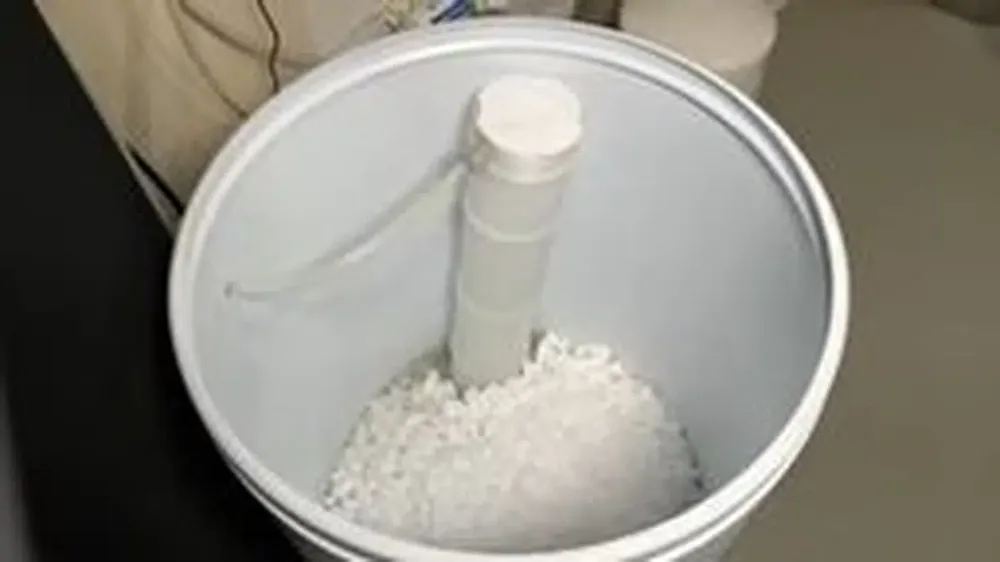
Salt pellets in a white brine tank with a white well pipe in the center.
A softener's brine tank holds the salt that recharges the resin.
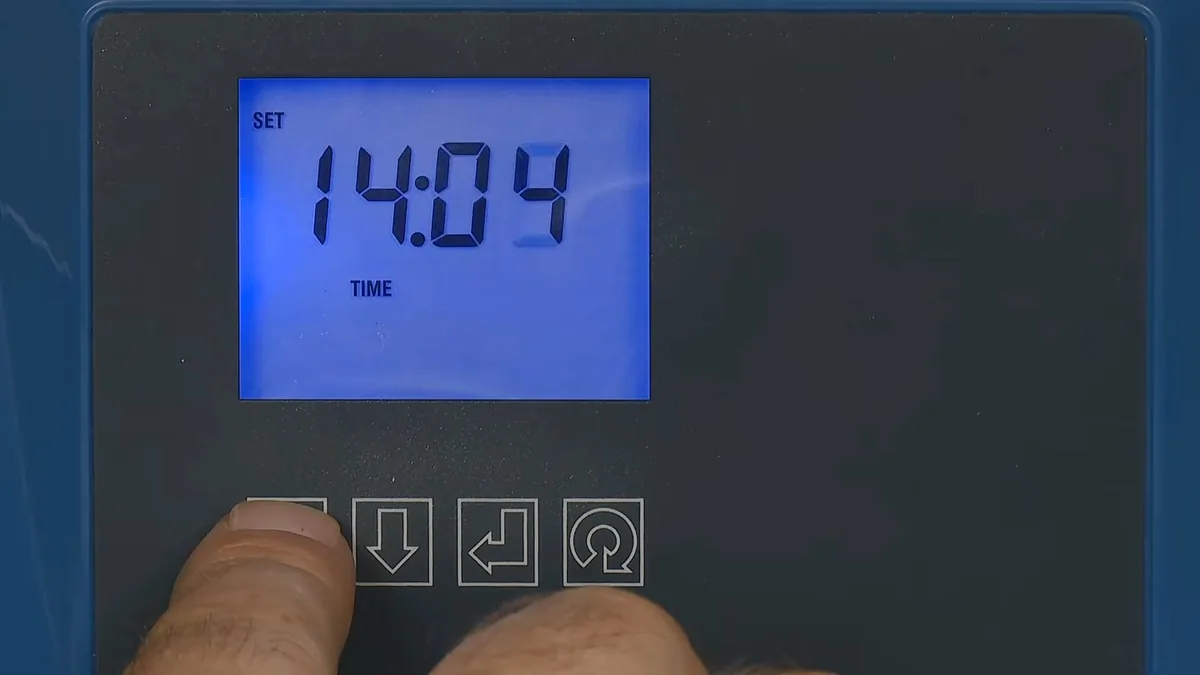
Finger pressing a button below a blue backlit softener display showing 14:04.
Setting the time on the control head keeps regeneration cycles running when planned.
Sizing

Sizing a system to the house

Size comes from two numbers: grains of hardness and daily water use. Multiply gallons used per day by grains per gallon, and the result is the grains the softener must remove each day. A larger resin tank regenerates less often, which saves salt and water over time. Households with a high count of people, or with irrigation fed from the same line, need a bigger unit. A plumber can also advise on bypassing outdoor taps so the softener is not wasted on the lawn. Location matters. The unit needs a drain within reach, an outlet, room for a salt tank and a spot where a leak will not cause damage. Garages work well, as long as the equipment is protected from direct sun and from freezing.

Upkeep

Salt, resin and routine care

Pellets generally outperform rock salt because they leave less residue, and a tank kept half full is a good rule of thumb. Clean the brine tank once a year if sludge builds up. If you travel for long periods, the unit can stay in service, but check it on your return.

Salt type matters less than keeping the tank at a good level. Check it monthly and break up any crust. Resin lasts for years but wears faster with chlorine and iron in the water, and a performance drop usually shows first as scale returning at the tap. A softener adds a small amount of sodium, and some households keep a separate unsoftened drinking tap or a reverse osmosis tap. Ask the plumber how the system is plumbed so outdoor lines and the drinking tap are handled as you prefer.

Treatment call

How a treatment call runs

01

Test

Hardness and water issues are measured.

02

Size

The system is matched to use and hardness.

03

Install

Bypass, drain and power are connected.

04

Train

Salt, settings and filter changes are explained.

Questions

Treatment answers worth having before you book

Water treatment decisions depend on what is in your water and what bothers you at the tap. The short answers below cover what each system does and does not do, and they help you decide what to ask for. Share a test result when you call so the plumber can bring the right equipment. Keep your last water report with the equipment manuals for future reference.

Does a softener remove everything?

No. It removes hardness minerals. Chlorine, sediment and contaminants need other treatment.

How often is salt added?

It depends on hardness and use. Check the brine tank monthly.

Is softened water safe to drink?

It adds a small amount of sodium. Ask the plumber about a separate drinking tap.

24/7 emergency dispatch

Hard water problems? One call starts the test.

  • Licensed and insured plumbers
  • Same-day service when available
  • 24/7 emergency dispatch
Call (480) 806-2944 now →
Call now, 24/7