Serving Anthem, New River and Cave Creek24/7 Emergency Dispatch: (480) 806-2944
Desert Hills AZ Experts Plumbers24/7 PLUMBING DISPATCH · MARICOPA COUNTYCall (480) 806-2944 →
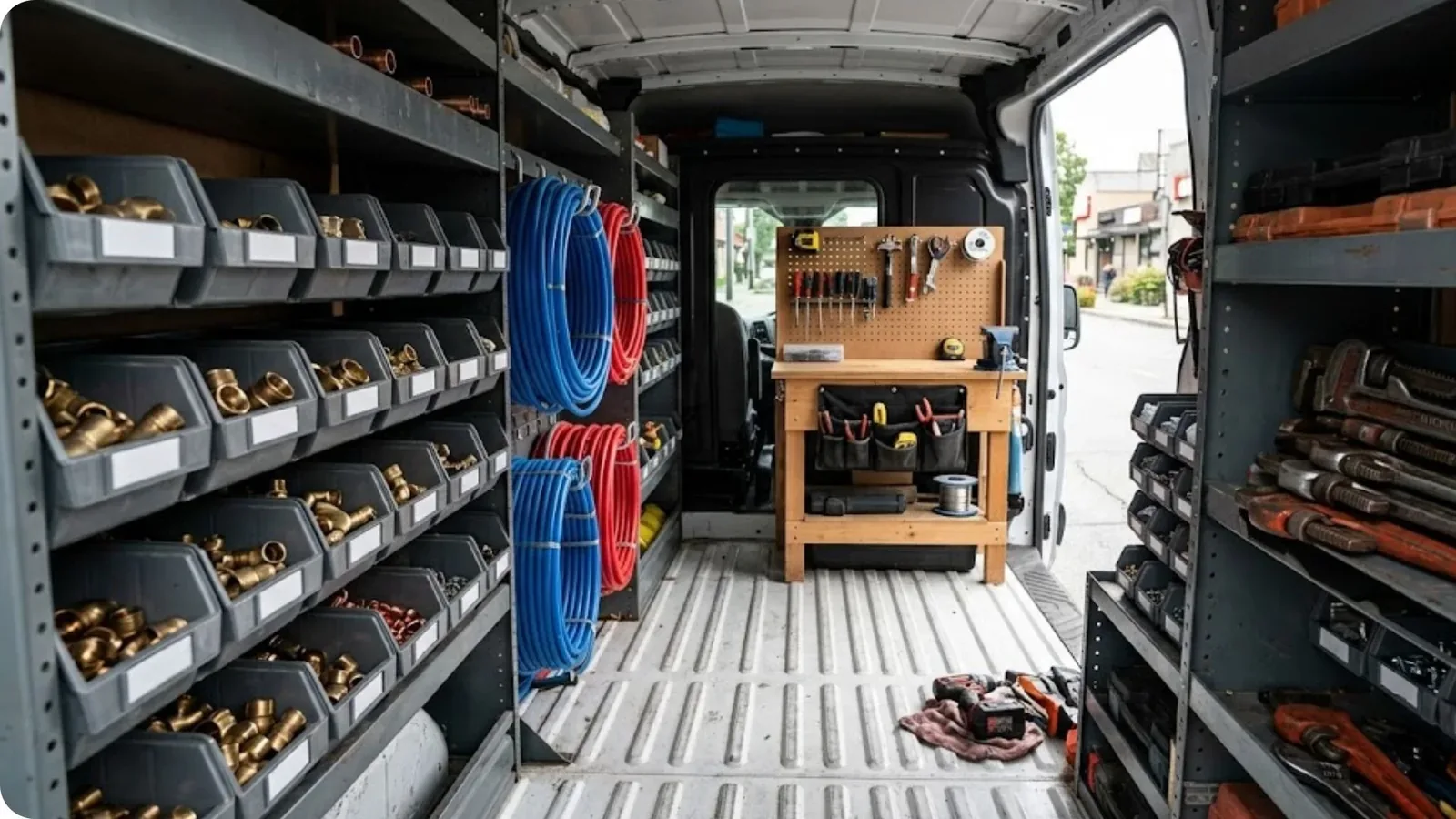
Inside of a work van with shelving of fittings, coiled blue and red tubing and a workbench.
A stocked van lets a plumber handle many common repairs without a second trip.

Home » FAQs

24/7 Emergency Line Open

Plumbing Questions Desert Hills Homeowners Ask

Direct answers first, then the detail. Thirteen questions about coverage, arrival, repairs, hard water and the way homes in the area are built.

Call (480) 806-2944 now →
  • Licensed and insured plumbers
  • Same-day service when available
  • 24/7 emergency dispatch
Before you call

Coverage, preparation and arrival

Three questions callers ask before dispatch ever picks up. The answers cover where a plumber can go, what to have on hand, and what speeds or slows a visit.

Which neighborhoods and ZIP codes does dispatch cover, and how is coverage confirmed?

Dispatch covers seven communities around Desert Hills: Anthem, New River, Cave Creek, Carefree, Deer Valley, Peoria and Black Canyon City. The ZIP codes on the list are 85024, 85027, 85086, 85087, 85097, 85324, 85327, 85331, 85345, 85377, 85380, 85381, 85382, 85383 and 85385. Coverage is confirmed by phone, not by the list alone. Give the dispatcher your ZIP code and street, and they will say whether a plumber can reach you and roughly when. Carefree and Black Canyon City are the outer edge of the network, so ask about arrival there before you plan around it. Every community has its own page, and the coverage map and ZIP list shows them on a map with the distances.

What should I have ready before I call a plumber?

Know where the water is coming from and whether it is still running, because that decides how fast dispatch treats the call. Find your main shutoff valve if you can, and close it when water is spreading. Have your ZIP code and street address ready, and a short description of the symptom: a stain, a sound, a smell or a backed-up drain. Take two or three photos of the problem before you start cleaning up. If anything involves gas, step outside first and call 911 or the gas utility from there. A plumber can only work from what you can describe, so the more exact the details, the better the first visit goes.

Same-day arrival: what affects how soon someone can come?

Three things set the arrival window: where you are, what the plumber is already working on, and how urgent the problem is. Distance from the Desert Hills dispatch point matters, and the areas page lists drive times for each community. Active water, sewage or gas problems move to the front of the line. A slow drip or a noisy faucet usually waits behind them. Dispatch offers same-day service when a plumber is available, and no site can promise an exact hour, because a job on the way can run long. When you call, ask for the arrival window and keep your phone close so the plumber can reach you.
24/7 emergency dispatch

Call the dispatch line with your question

Call (480) 806-2944 now →
Decisions

Repair, replace or inspect

The harder questions come after the first look. These answers help you weigh a repair against a replacement and decide when a camera or inspection earns its place.

Repair or replace: how do I choose between the two?

Repair when the fault is a single part that has failed and the rest of the system is sound, and replace when the same system keeps failing or the plumber finds damage that will not hold a repair. Age matters, and so does the pattern. A water heater that needs a new part every few months is telling you something, and so is a run of pipe that springs a second pinhole after the first one was patched. Ask the plumber what else on the line has the same wear. The pages on replacing a water heater and repiping walk through the signs for each.

How often does a home need a plumbing inspection?

No single schedule fits every house, and this site cannot set one for yours. What does hold across homes is the set of moments when a plumber should look: after buying a house, before a large remodel, when the water bill climbs without any change in use, and after any repair that exposed old pipe. Between those visits, a homeowner can check the visible plumbing a few times a year. Look under sinks, around the water heater and at the shutoff valves for moisture, crust or rust. If anything looks wrong, call and describe it. An inspection is a plumber looking at the system, so ask what the visit covers before it starts.

Camera inspection: when is it worth doing?

A camera inspection is worth doing when a drain backs up more than once, when the line is old or unknown, and before anyone digs. A small camera on a flexible cable shows the inside of the pipe, so the plumber can see roots, breaks, sags and buildup instead of guessing. It also gives you something to look at before you decide on cleaning, spot repair or replacement. If one sink drains slowly, a camera is probably more than you need. The sewer line inspection page explains what the footage can and cannot show.

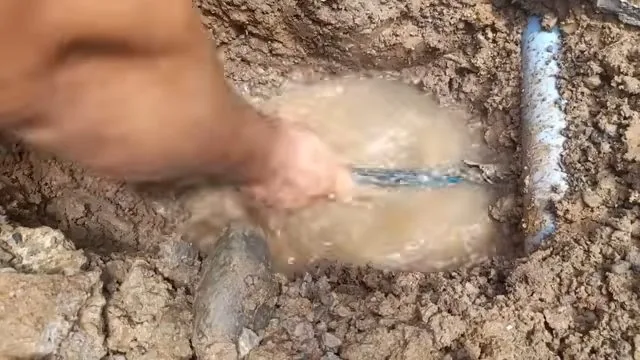
Hand working at a buried water pipe in wet soil during a leak test.
A leak at a buried line can look like a wet patch in the yard long before it shows indoors.
Special cases

Rentals, sales and shared responsibility

Plumbing problems get more complicated when more than one person is involved. Two situations come up often enough to answer here.

Rental properties: what happens when a tenant, landlord or property manager calls?

Dispatch will take the call from any of the three, and then needs to know who authorizes the work. A tenant can report the problem, shut off water at the fixture or main, and describe what is happening. The landlord or manager normally approves repairs, so expect a plumber to ask who that is before starting anything beyond making the situation safe. Check your lease for who handles plumbing, and keep records of the date you reported a problem. This answer is general information and not legal advice. For emergencies such as a burst pipe, say so at once, and dispatch will treat it as urgent.

Plumbing problems when buying or selling a house: what should I know?

Buyers and sellers meet plumbing at the inspection, where a report may flag a leak, an aging water heater, slow drains or an old pipe type. A plumber can look at each item and tell you what it means in practice. Sellers often have repairs done before listing, and buyers often ask for them after the report. A camera inspection of the main sewer line gives either side a clear picture of something that is otherwise out of sight. Bring the inspection report when you call, point to the specific lines, and ask for a written note of what was found if you need it for the transaction.

Local conditions

Water, foundations and upkeep around Desert Hills

Questions about water supply, hardness, foundations and routine care have local answers, and some have none that can be stated for every address.

Water hardness: is a softener or filter worthwhile here?

Often yes for the Anthem area. EPCOR Water Arizona, which supplies the Anthem system, states in its 2025 water quality report that hardness is approximately 18 grains per gallon. That is hard water, and it leaves scale on fixtures and inside heaters. Hardness depends on the utility and on the source at your address, and Peoria publishes no single figure we can cite, so check your own supplier. A softener reduces scale, and a filter improves taste and removes particles, so they do different jobs. The softener and filtration guide explains how to match the equipment to the problem.

Where does my water come from, and what does that mean for pipes and fixtures?

The answer varies by address. In Anthem, EPCOR reports that its water comes largely from the Colorado River through the Central Arizona Project canal, with groundwater from wells in the mix. Because the supply blends surface water and groundwater, EPCOR notes that hardness and taste can change with the seasons. In Peoria, the city runs the water system. For other communities on the list, your water bill names the supplier. Mineral content matters because it builds scale in water heaters, aerators and showerheads, so a plumber will often ask where you are before suggesting a fix.

Slab, crawlspace or basement foundations: what changes for leaks and access?

Confirm what you have first, because this site cannot state the foundation type for your street. Look at the garage floor and the outside walls, or ask whoever built or inspected the house. On a slab, a leak in a line under the floor is found with detection equipment and reached by opening the concrete or rerouting the line. With a crawlspace, the plumber can often reach pipes from below, which usually means fewer holes in finished floors. The slab leak detection page describes the signs that point to a leak under a floor.

What are the most common plumbing maintenance mistakes?

The most common mistakes are waiting on small leaks, pouring chemical drain cleaner into a clog, and not knowing where the main shutoff valve is. A drip that is ignored can rot a cabinet floor, and a clog fought with caustic liquid can leave the plumber working in it. Another is forcing a stuck valve or fitting, which can crack it. Gas fixes belong to a plumber who handles gas piping, so leave them alone. Learn the shutoff, fix small problems early, and call when the same fixture fails twice.

A summer plumbing checklist for Desert Hills homes

Use the heat as a reminder to walk the house once. Run the water at each fixture and look for drips under sinks and at the toilet base. Watch the water meter with every fixture off, and if it moves, there is a leak somewhere. Check the water heater for moisture at the base, and ask a plumber about flushing it, since sediment from hard water collects in tanks. Test each shutoff valve by turning it gently. Replace cracked hoses on washing machines. If anything on the list fails, write it down and call, and do not wait for the next hot week.

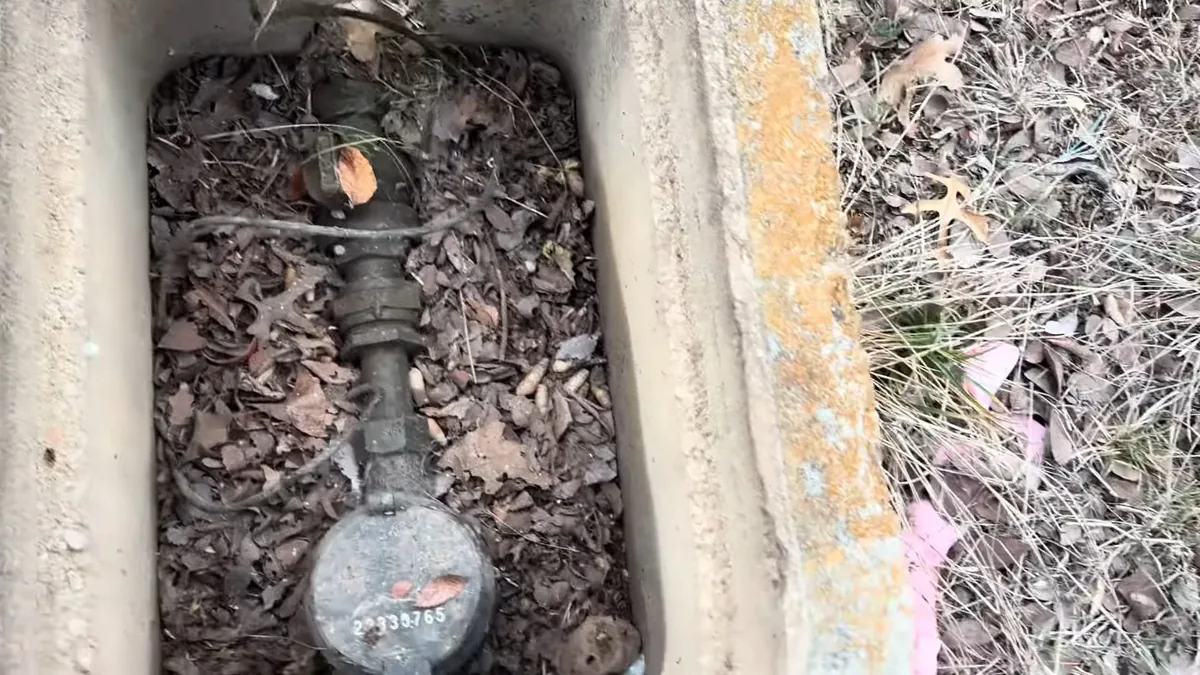
Water meter inside a ground box filled with dry leaves.
Knowing where your meter box is makes it easier to check for hidden water loss.
24/7 emergency dispatch

Still have a question? Call and ask

Call (480) 806-2944 now →
Call now, 24/7