Serving Anthem, New River and Cave Creek24/7 Emergency Dispatch: (480) 806-2944
Desert Hills AZ Experts Plumbers24/7 PLUMBING DISPATCH · MARICOPA COUNTYCall (480) 806-2944 →
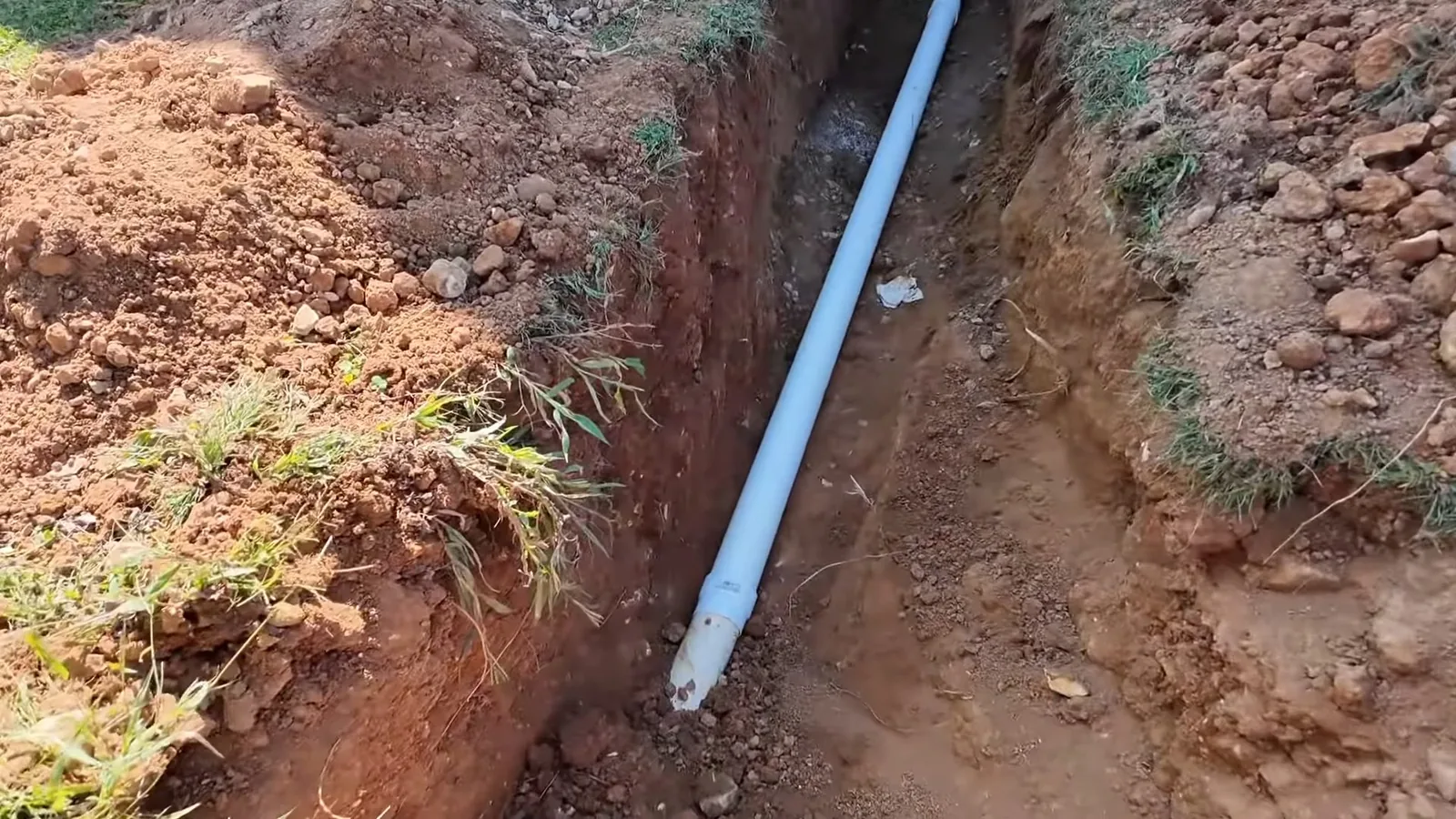
Narrow trench in red clay soil with a blue plastic water line running along the bottom.
A service line runs underground from the meter to the house, and a trench is how it gets reached.

Home » Services » Water line repair and replacement

24/7 Emergency Line Open

Water Line Replacement, Yard Leaks and Pressure Problems in Desert Hills

A wet patch in the yard, a spinning meter or weak pressure at every tap points to the water line. Describe where the water shows up, and a plumber serving your area will trace the run from the meter to the house.

Call (480) 806-2944 now →
  • Licensed and insured plumbers
  • Same-day service when available
  • 24/7 emergency dispatch
Replacement

Water line replacement: from the meter to the house

The water line carries supply from the meter or a well to the house. It runs underground, so a failure shows up as a symptom rather than a leak you can see. A damp strip in the yard, a meter that moves when everything is off, or pressure that drops across the whole house are the usual signs.

Replacement means laying new pipe, either on the old path or on a fresh one. The plumber excavates, lays pipe at the right depth with a proper bed, and connects at both ends. Trenchless methods can avoid cutting through a driveway or landscaping, but they depend on soil and line condition. Ask which pipe material is planned and how the line will be protected from rock and shifting soil. Rocky ground is common, so the bedding matters.

Pressure testing of lines is how a plumber proves a section holds. The run is capped at both ends, filled, and watched on a gauge, and a steady drop in pressure means a leak somewhere between the caps. Repeating the test after the repair shows the new work is sound before the trench is closed.

Symptoms and what to check
SymptomLikely locationCheck first
Wet patch in the yardAlong the buried runMeter test with everything off
Low pressure everywhereMain line or regulatorPressure gauge on a hose bib
Meter spins with water offAnywhere after the meterShutoff valves one by one
Spike in the water billA hidden leakMeter reading over a quiet hour
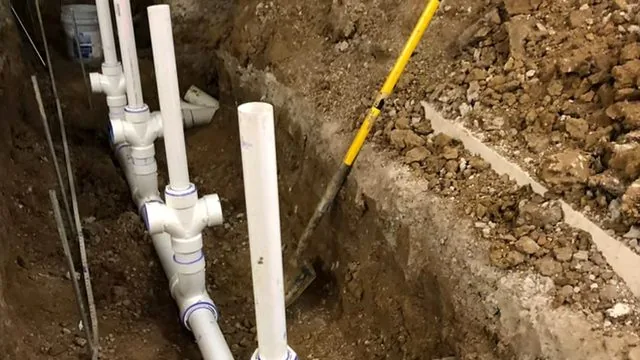
Open trench with white PVC pipe risers and a yellow-handled tool beside a dirt wall.
Water line work includes the fittings and risers at each end, not only the pipe in between.
Yard line

Service and yard line: finding the break before digging

Digging blind is expensive. A plumber narrows the search first by shutting valves in sequence and watching the meter, which splits the line into sections. Electronic listening gear and line tracers then point at the likely spot.

Before any digging, utilities must be marked. Arizona 811 asks for notice at least two full working days ahead, and the plumber normally places the request. Do not dig near gas or electric lines on your own. Even a shallow trench can strike a buried cable, and marked lines are only a guide to the general path. Give the plumber any old plans, photos of earlier work, or notes on where irrigation and electrical lines run. Those records save time and cut the risk of a second break. A leak that turns up inside the house instead is covered on the leak detection page.

Arizona 811 requires contractors and homeowners to request utility marking before excavation, at least two full working days before digging.

Source: Arizona 811.
24/7 emergency dispatch

Yard wet or meter spinning? Call now.

Call (480) 806-2944 now →
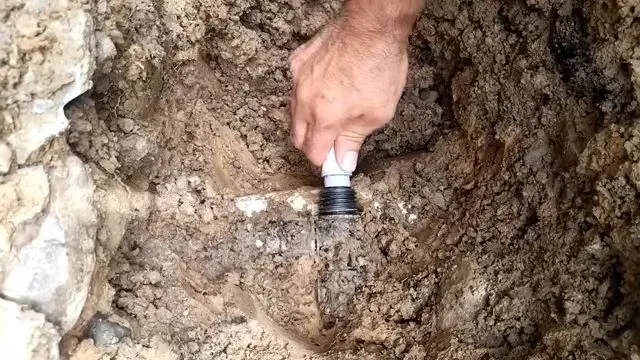
Hand fitting a white cap onto a buried pipe in wet dirt.
A wet yard with no rain or sprinkler use is a common sign of a leak on the line.
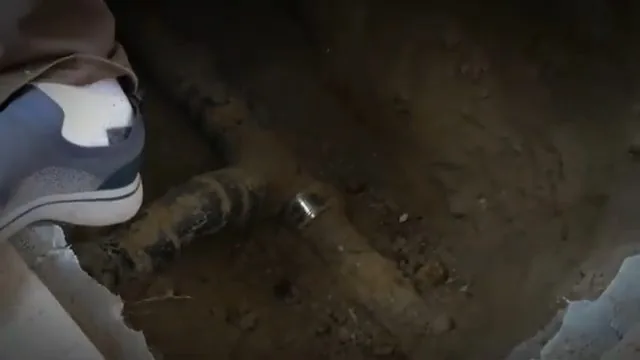
Foot beside a trench in a floor where a pipe with a coupling is exposed.
Exposing the pipe lets the plumber see the coupling or break before choosing between repair and replacement.
Repair

Water line repair: spot repair or a longer replacement?

A single break in a young line can be fixed by cutting out the bad piece and joining the ends. A line that has failed more than once, or that was built from pipe known to fail, is a better candidate for replacement. The plumber should show you the cut pipe and explain what it tells you about the rest of the run. Pipe that looks sound a few feet either side supports a spot repair, and brittle or thin pipe does not. Ask how deep the line sits and how the surface will be restored. If the leak turns out to be inside the house, the pipe repair page covers that side of the system.

Pressure

Pressure regulator, high pressure and low pressure

A pressure reducing valve sits near the main and holds house pressure below the street pressure. Plumbing codes commonly call for one where supply pressure rises above 80 psi, since high pressure shortens the life of fixtures, supply hoses and water heaters. High pressure often shows up as banging pipes, running toilets or a relief valve that weeps. Low pressure has other causes: a partly closed valve, a clogged regulator, or a leaking line. A gauge on a hose bib gives a number and avoids guessing.

Plumbing codes commonly require a pressure reducing valve where static pressure exceeds 80 psi.

Source: Pacific Northwest National Laboratory, Building America Solution Center, service water pressure guide.
24/7 emergency dispatch

Pressure problems or a failed line? Dispatch answers 24/7.

Call (480) 806-2944 now →
Valves

Shutoff valve and meter: know where yours are

Every house needs a main shutoff that works. Find it before an emergency, turn it both ways, and replace it if it is stuck or leaks around the stem. Old gate valves often seize and fail when turned, and a replacement ball valve is a modest job that pays off the first time you need it. The meter belongs to the utility, and the shutoff at the meter is usually theirs to operate. The valve at the house is yours. Ask the plumber to label both. Test the main shutoff twice a year by closing it fully and opening it again. A valve that moves freely today may be stuck by the time you need it, and an annual check also shows whether the stem is weeping.

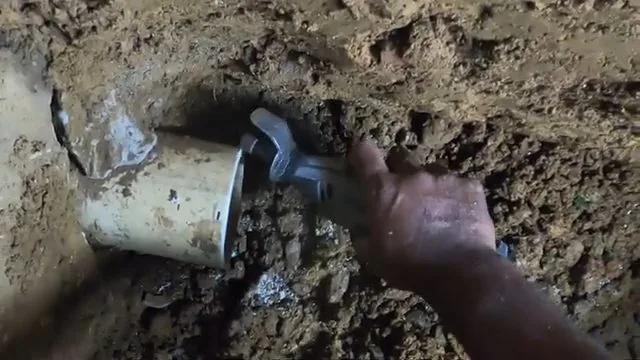
Hand using a wrench on a pipe section buried in dirt.
Even a buried valve or fitting needs access, so the hole is sized to fit the repair.
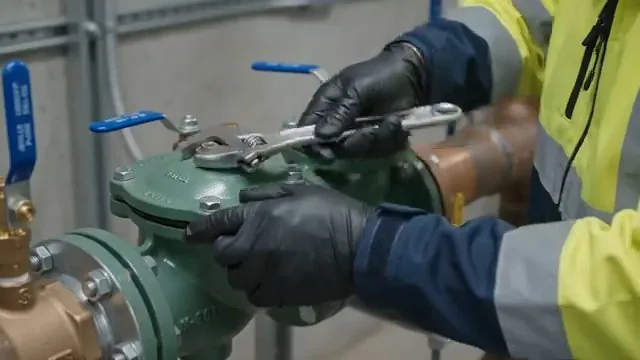
Gloved hands using a wrench on a large green valve assembly beside a person in a high-visibility jacket.
Larger valve assemblies near the meter or main are serviced with wrenches built for them.
Water quality

Low flow, discolored water and what the line may be telling you

Not every complaint is a break. Rust-colored water after repairs, a sudden drop at one tap, or a hissing sound near the meter each point somewhere different. Discoloration that clears after a minute is often sediment stirred up by a pressure change, while persistent color and weak flow can mean a corroding line.

Name the taps that are affected, since a problem at one fixture is local and a problem at all of them points to the line or the regulator. Photos of the meter dial and a note of the time help too, because the plumber can compare readings over a quiet hour. Ask for the findings in plain terms before any digging starts: where the problem is, how it was confirmed, and what the repair will disturb in the yard or driveway.

Water line call

How a water line call is handled

01

Isolate

Valves are closed in sequence to find the section.

02

Trace

The line is traced and the break is located.

03

Dig

Utilities are marked and the line is exposed.

04

Restore

New pipe is tested and the trench is backfilled.

Questions

Water line answers to have before you book

How do I know if the leak is in the yard line?

Close every fixture and watch the meter. If it moves, the leak is after the meter, and valve-by-valve tests narrow the section.

Who owns the line from the meter?

Generally the owner is responsible for the line from the meter to the house, but confirm with your water provider.

Can a line be replaced without trenching?

Sometimes. Trenchless methods depend on soil and the condition of the old line.

What should I have ready when I call?

The meter reading, where the water shows, and when the bill or pressure changed. Photos of the yard and the meter help the plumber plan the first visit.

24/7 emergency dispatch

Water line trouble? One call starts the trace.

  • Licensed and insured plumbers
  • Same-day service when available
  • 24/7 emergency dispatch
Call (480) 806-2944 now →
Call now, 24/7