Serving Anthem, New River and Cave Creek24/7 Emergency Dispatch: (480) 806-2944
Desert Hills AZ Experts Plumbers24/7 PLUMBING DISPATCH · MARICOPA COUNTYCall (480) 806-2944 →
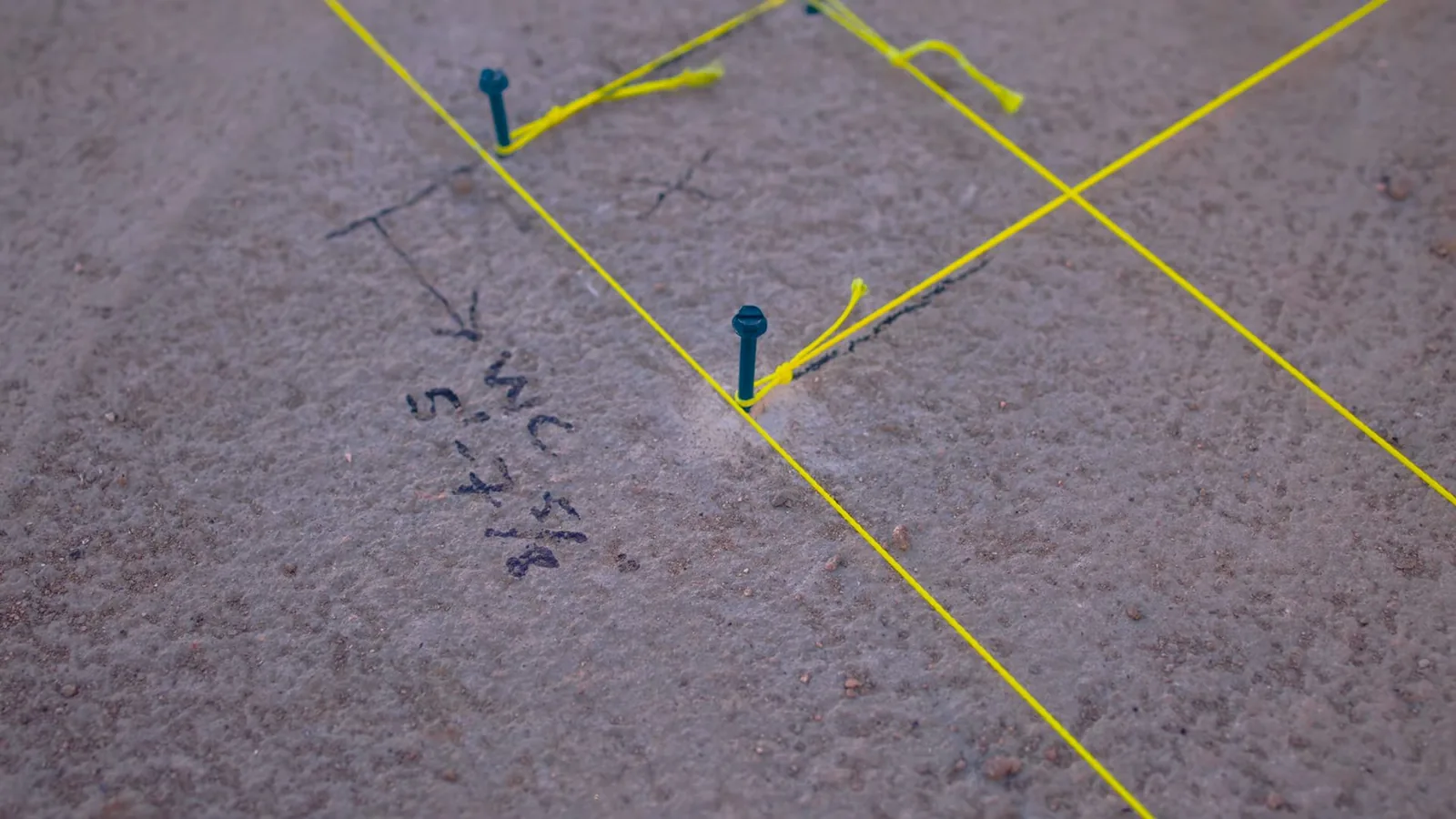
Marked concrete slab with yellow strings, blue pins and handwritten notes.
Marking the slab shows where a pipe is believed to run before any cutting starts.

Home » Services » Slab leak detection and repair

24/7 Emergency Line Open

Emergency Slab Leak Detection and Repair in Desert Hills

A slab leak means a pressurized pipe is losing water under your concrete floor. Call, describe what you hear or feel, and dispatch sends a plumber who can locate the leak before any concrete is cut.

Call (480) 806-2944 now →
  • Licensed and insured plumbers
  • Same-day service when available
  • 24/7 emergency dispatch

When you call about a suspected slab leak, dispatch asks three things: what you noticed, whether the water is shut off at the main, and whether the floor is wet or only warm. The answers decide how urgent the visit is and what equipment comes with the plumber.

Slab leaks rarely look dramatic at first. The first clue is usually small: a floor that feels warm in one spot, a sound of running water at night, or a bill that has crept up. The sections below explain how the leak is found, what it can do to the foundation and how it gets repaired.

Detection

Warm floor, hissing pipe or wet carpet: how is a slab leak located?

A plumber confirms the leak before locating it. With every fixture off, the meter or the pump behavior shows whether water is leaving the system. Then each branch is isolated and pressure tested, and the one that cannot hold pressure becomes the search area.

Location comes next. Acoustic gear listens for the sound of water escaping from a pressurized pipe, and a thermal camera can show where a hot water line is heating the concrete above it. The plumber marks the floor with a small outline, usually a few feet across, so any repair opens as little concrete as possible. Cold water lines are harder to read by heat, which is why sound and pressure testing carry more of the work on those. Ask which method the plumber used on your leak and why that mark was chosen.

Signs and symptoms of a slab leak, and what each suggests
What you noticeWhat it often means
A warm or hot spot on a tile or concrete floorHot water line leaking under the slab
Sound of running water with every tap closedPressurized pipe losing water somewhere
Damp carpet or lifting flooring with no spillWater rising through the slab
Water meter turning with the house shut downSteady loss on a supply line
Cracks or a wet baseboard along an edgeWater traveling to the edge of the slab
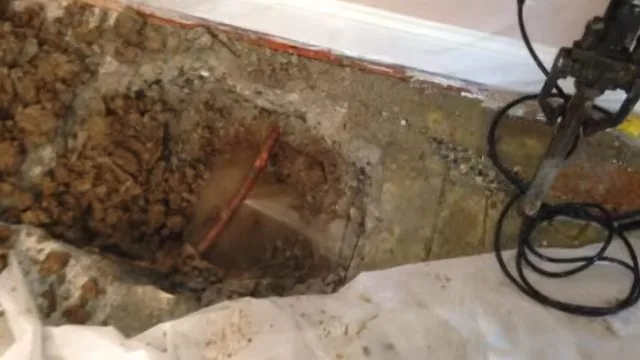
Hole in a floor slab exposing damp soil and a copper pipe, with work cables beside it.
With the slab open, the pipe and the soil around it show how far a leak has gone.
Foundation

Does a slab leak damage the foundation?

It can, which is why a slab leak should not be left running. Water that escapes under a slab soaks the soil that supports it. Foundation specialists note that saturated soil loses bearing strength, and a slab sitting on weakened soil can settle or crack.

Before relying on any generalities, confirm what your house has. Not every home sits on a slab, and some have a raised floor with a crawl space. Your plans, your inspection report or a look under the house will settle it, and the plumber will ask.

Local ground matters too. Hard, calcium-rich caliche layers are common in Arizona desert soil, and plumbing contractors serving New River describe caliche as a layer that does not absorb water well. Water that cannot soak down may move sideways or up, which can bring a hidden leak to the surface in an unexpected place. If your slab is post-tensioned, tell the plumber right away. Cables run through the concrete under tension, and cutting or drilling near them is dangerous. Locating them first is part of any responsible plan.

Plumbing contractors in the Phoenix area describe caliche as a hard calcium carbonate layer that interferes with drainage beneath slabs.

Sources: PuroClean, Slab Leak Detection and Water Damage in Arizona; Roto-Rooter, New River, AZ; Foundation Repairs AZ, foundation soils guide.

24/7 emergency dispatch

Think there is water under your floor? Call before it spreads.

Call (480) 806-2944 now →
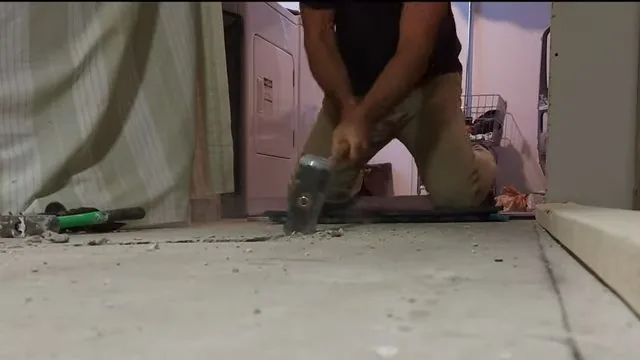
Man kneeling in a bathroom with a power tool on the concrete floor.
Reaching a pipe under a slab means cutting through the floor, so the spot is confirmed first.
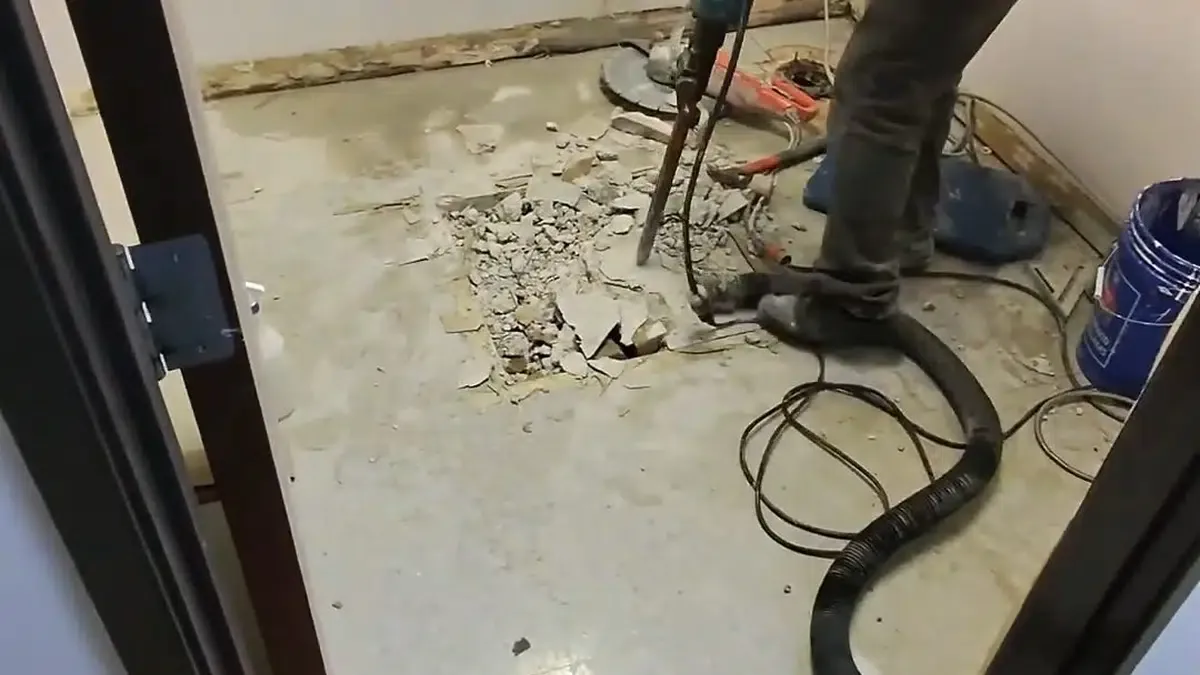
Broken-up concrete in a bathroom doorway with a jackhammer and a vacuum hose.
Dust control and cleanup are part of opening a slab, so ask how the work area will be handled.
Repair

How is a slab leak repaired: tunnel, reroute or epoxy?

There are three common ways to deal with a leaking line under a slab, and the right one depends on the pipe, the layout and how many leaks the line has had. A good plumber explains all three and recommends one on the evidence.

A spot repair opens the concrete over the leak, replaces the damaged length and closes the opening. A tunnel does the same from outside, going under the slab so the floor stays intact. Rerouting abandons the leaking line and runs a new one through the attic or walls. Epoxy lining coats the inside of the existing pipe.

Repair options compared
OptionBest whenTrade-off
Spot repair through the slabOne leak, accessible locationFloor must be opened and finished
Tunnel under the slabLeak is near an outside edgeNeeds access and digging
Reroute overheadPipe has failed in several placesNew line is exposed in attic or walls
Epoxy liningPipe is intact but corrodingNot suited to every pipe or condition

Whichever route is chosen, ask for the plan in plain terms before work begins: where the opening goes, what the floor will look like afterward and whether other lines in the slab show the same wear. If the leak has already soaked flooring or walls, drying comes next, which the water damage restoration page walks through.

Tonight

What you can check tonight, before the plumber arrives

You cannot fix a slab leak yourself, but the next steps help the plumber and limit the damage.

  1. Close the main water valve if the floor is wet or the sound is constant.
  2. Switch off the water heater so it does not run dry.
  3. Move rugs and furniture off the damp area and photograph it.
  4. Write down the times you heard water and what the meter showed.
  5. Keep pets and children off a warm or wet floor.

Documentation also helps if you file an insurance claim. Policies differ, so a plumber cannot say what yours covers, but a clear record of the date, symptoms and findings gives your insurer something to work with.

Soil and digging

Soil, water and digging rules around a slab repair

Anyone tunneling or trenching near a slab calls Arizona 811 first, leaving at least two full working days between the locate request and the dig. That rule matters most before a tunnel or any yard excavation.

Source: Arizona 811.

Water chemistry matters as well. The utility serving Anthem, EPCOR, listed its 2025 supply near 18 grains per gallon, and plumbing contractors in the Valley connect mineral-rich water with faster wear on older copper. That is general context, not a diagnosis, because the pipe in your slab is judged by its own condition. Other areas and private wells will vary, so mention your water source on the call.

Sources: EPCOR Water Arizona, Anthem report 2025; Service Experts, slab leak causes in Mesa homes.

Boundaries

When the leak is not under the slab

Many leaks sit above the floor. A wet wall, a dripping ceiling or a weeping fixture belongs with general leak detection, which also covers meter tests and wall leaks. Businesses with slab floors can use the commercial plumbing service for building-type calls. For a pipe that burst or split, the repiping page covers repair against replacement. Same-day help for a leak in progress starts on the front page. Commercial buildings on slabs are handled the same way, with longer pipe runs and shared risers. The repair plan has to account for tenants, business hours and who controls the main valve, so say what kind of building it is when you call.

24/7 emergency dispatch

Slab leak suspected? Dispatch answers 24/7.

Call (480) 806-2944 now →
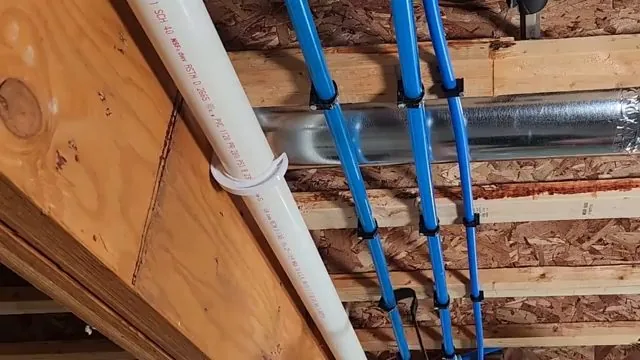
Blue and white pipes running along open ceiling joists.
Rerouting supply lines overhead can avoid opening the slab when the original pipe has failed.
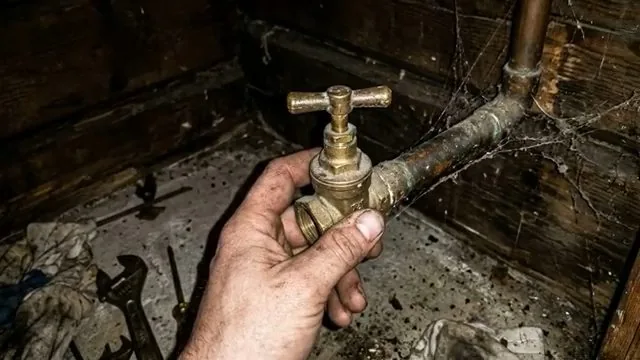
Hand gripping the handle of an old brass shutoff valve on a dusty pipe.
Shutting the water off at the main keeps a slab leak from getting worse while you wait.
After you call

From first call to a repaired slab leak

01

Triage

Dispatch asks about the sounds, the meter and the floor.

02

Confirm

The plumber tests pressure and rules out other sources.

03

Locate

Sound and heat tools mark a small area on the floor.

04

Choose

The plumber presents the repair options and you pick a plan.

Questions

Slab leak questions before you call

Is a slab leak an emergency?

Often, yes. Water under the slab keeps working on the soil, and a hot water line also wastes energy. Close the main and call.

Can the leak be found without breaking the floor?

Usually. Sound and thermal tools narrow the leak to a small area, so only that spot is opened if a repair needs access.

Will the repair stop it from happening again?

It fixes that point. If the line has several weak spots, rerouting or lining may make more sense than repeated spot repairs.

Do I need a permit?

That depends on the repair and the jurisdiction for your address. The plumber should tell you whether one applies before work starts.

24/7 emergency dispatch

Water under the floor does not wait. One call starts the search.

  • Licensed and insured plumbers
  • Same-day service when available
  • 24/7 emergency dispatch
Call (480) 806-2944 now →
Call now, 24/7